
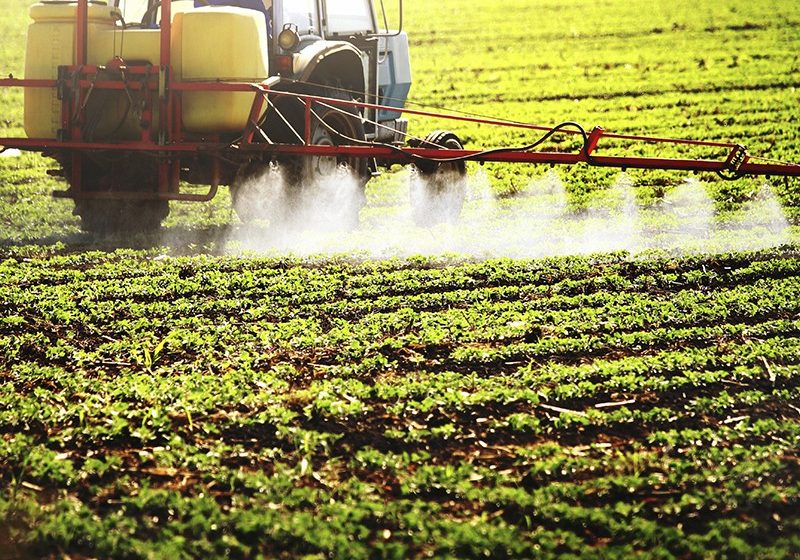
Minnesota and the greater Midwest are home to some of the highest concentrations of glyphosate, the herbicide found in the world’s most widely used weedkiller, Roundu, used in agricultural practices. Below is a rundown of why glyphosate is among one of the most problematic, concerning, and pervasive environmental toxicant exposures. My intent here is not to instill fear, but rather to educate and empower. By making conscious decisions in our daily lives, supporting our foundations of health, and advocating for agricultural practices that benefits both human health and the environment, we need not be subject to its deleterious effects.
Glyphosate is associated with:
Microbiome alterations:
Glyphosate inhibits the shikimate enzyme pathway in susceptible gut bacteria, which can lead to potential pathogenic species overgrowth and suppression of beneficial flora. Furthermore, recent research points to promotion of antibiotic-resistant organisms.
With microbiome shifts, we can see gut barrier disruption and the breakdown of tight junctions, which are responsible for containment of contents within the intestinal lumen. Breakdown of this barrier leads to increased intestinal permeability- “leaky gut”- which can lead to immune dysregulation, food sensitivities, GI issues, and neuroinflammation via the gut-brain axis.
Interference with glycine biology due to structural similarities
Glycine is an inhibitory neurotransmitter, amino acid required for processes such as collagen formation, a precursor to glutathione- our body’s “master” antioxidant, and is critical to phase II detoxification. Early research suggests glyphosate may mimic glycine, leading to potential biological implications that include protein synthesis disruption, enzyme inhibition, metabolic interference, and toxicity.
Endocrine (hormone) disruption
Glyphosate exhibits interference with pituitary homeostasis and steroid hormone production via xenoestrogen and aromatase activity, as well as and thyroid signaling interference in some animal studies.
Mitochondrial and oxidative stress
Glyphosate has been shown in cell and animal models to interfere with complexes of the mitochondrial electron transport chain (ETC), which is ultimately responsible for producing the body’s energy currency, ATP. The ensuing electron leakage reacts with oxygen to form reactive oxygen species (ROS), resulting in oxidative stress and reduced ATP production. Altered membrane potential can lead to reduced glutathione levels, unchecked inflammation, collapse of cell membrane and ultimately mitochondrial function.
Cancer risk
Glyphosate is classified as a “probable carcinogen” by many international agencies, and partial bans on glyphosate use are present in many countries (mainly Europe).
Practical Ways to Protect Yourself:
Prioritize organic for high-residue crops
This includes oat, lentils, chickpeas, and barley. Avoid the Environmental Working Group’s (EWG) annual list of the “Dirty Dozen” produce items with the highest amount of pesticide residue.
Adequately filter drinking water
Adequate filtration of drinking water is an easy way to minimize daily toxin burden, as we cannot avoid the need to consume it! This is important for both well and city water users. The EWG also has a tap water database where one can search by zipcode for contaminants found in their local water supply. My recommendation is reverse osmosis (RO) with re-addition of minerals.
Avoid residential use
Here in the suburbs, lawn care is nothing short of an obsession. I like to gently remind patients that some of the “weeds” are actually incredibly medical botanicals. Dandelion root, for instance, support bile flow and liver health, and its leaves are nutritive and natural diuretics.
Minimize overall toxic burden
Minimize plastic use, nonstick cookware, processed foods with industrial seed oils, alcohol use, and personal care products with endocrine-disrupting chemicals such as phthalates. Focus on one room at at a time!
Support your body’s elimination pathways
We have four primary detoxification/elimination routes for clearance of both endogenous waste and exogenous toxicant exposure: bowel movements, sweat, breath, urination via the kidneys.
Advocate!
Agricultural legislation affects public health in many ways. Attend city council meetings and voice concerns over public space use, urge lawmakers to support measures that minimize its use, and support local + organic farming practices.
In Health,
Dr Quinn